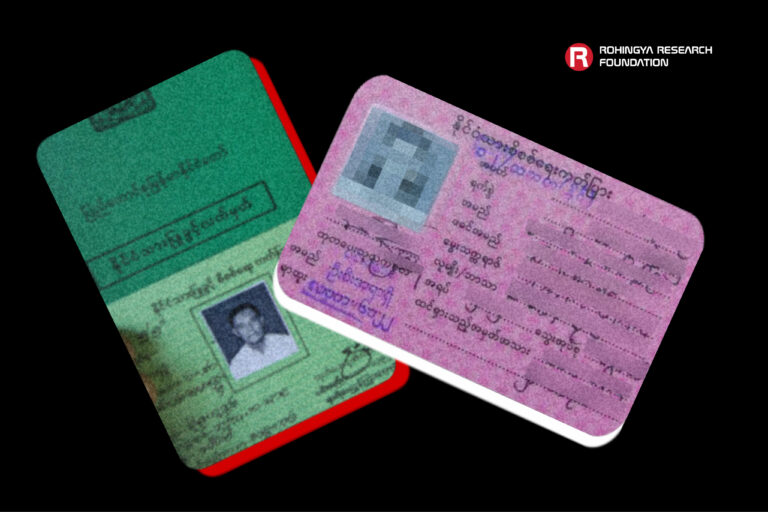
Six pillars of our work

01 History Explore History → Documenting the history of the Rohingya, Arakan, and Myanmar as it relates to the Rohingya experience.
02 Archive Explore Archive → Preserving primary sources, records, and testimonies for long-term academic and public use.
03 Research Explore Research → Publishing evidence-based reports and studies grounded in scholarly methods.
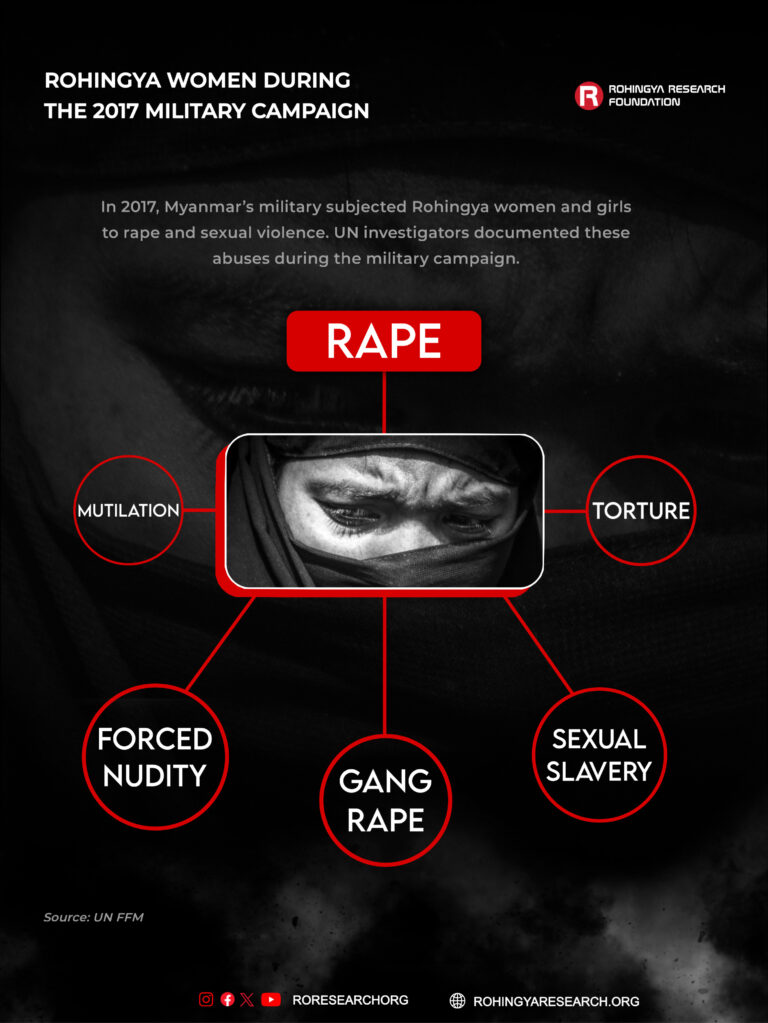
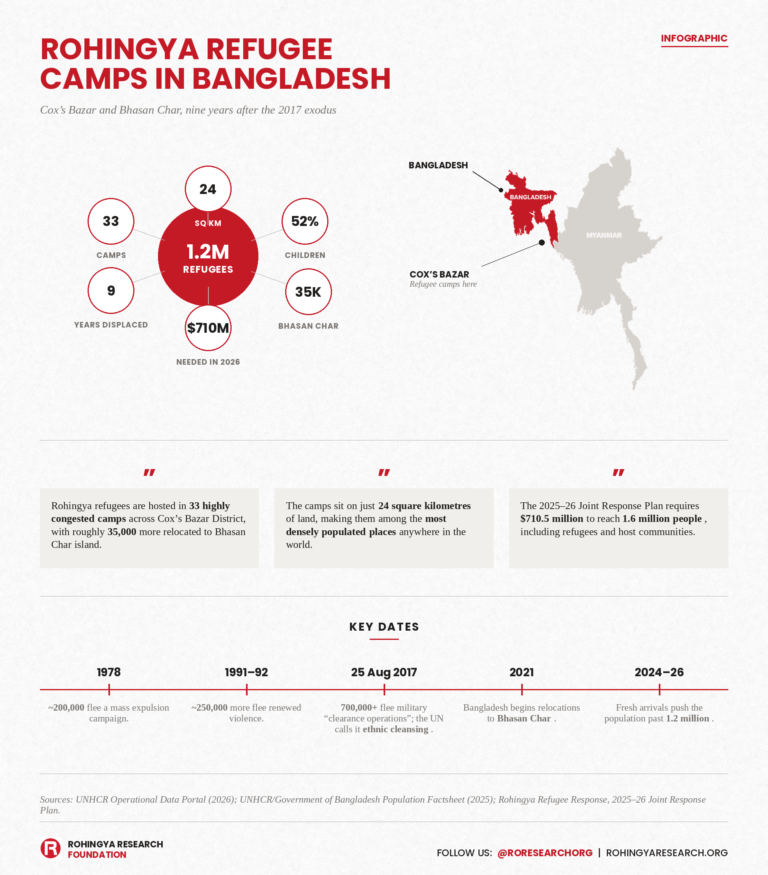
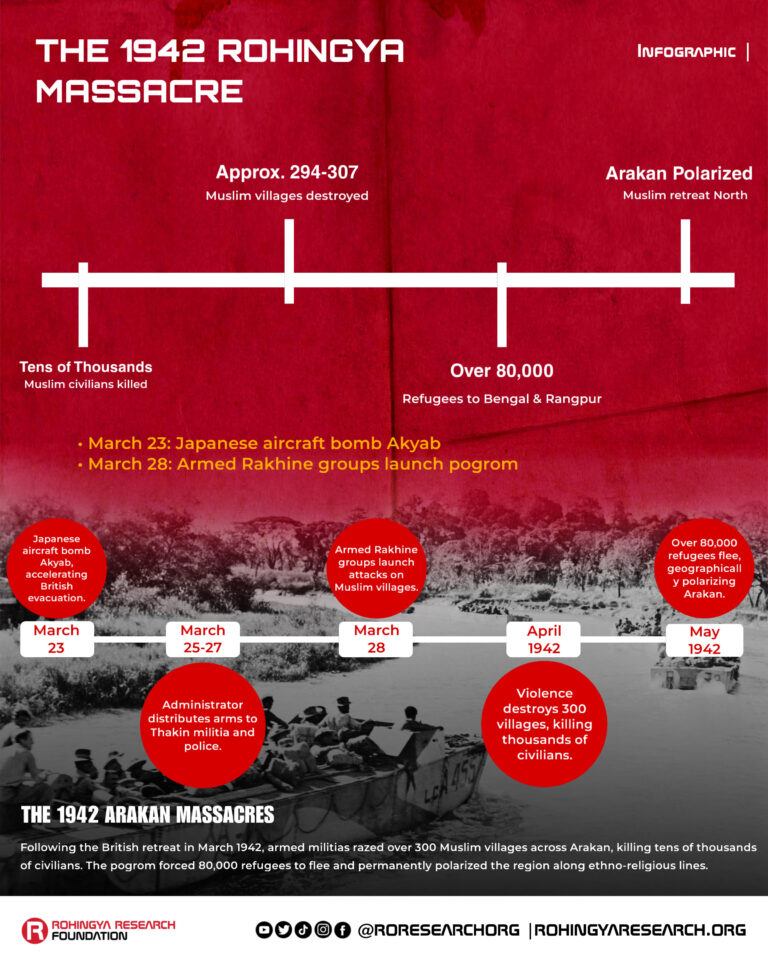
04 Infographic Explore Infographics → Translating complex information into clear, visual formats for wider accessibility.
05 Opinion Explore Opinion → Featuring perspectives and analysis from writers, contributors, and scholars.
06 Explainer Explore Explainers → Concise, accessible breakdowns of key events, terms, and developments, written in plain language for readers.
EXPLAINER See all →

Want to know more about Rohingya culture?

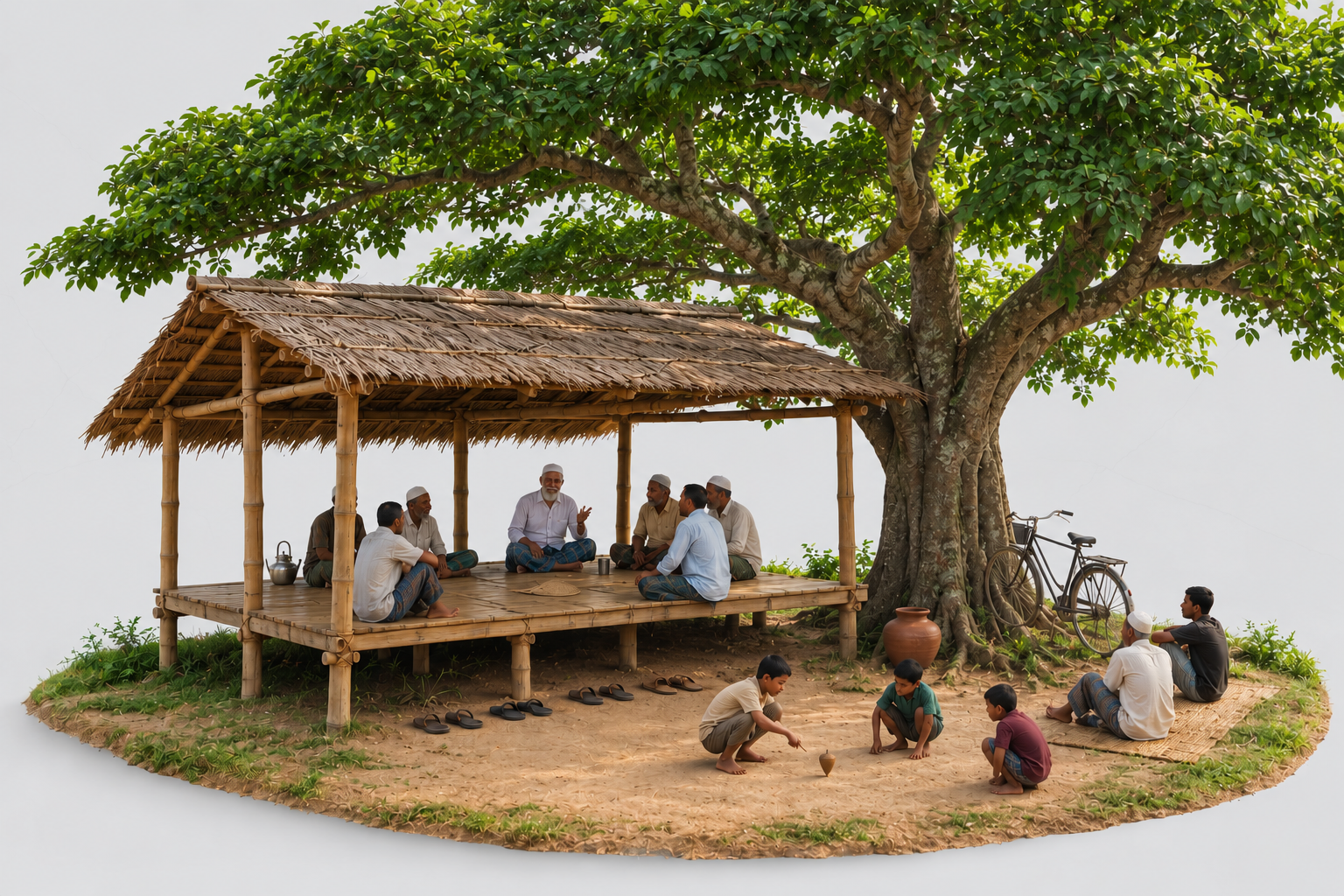
RRF documents Rohingya culture, from food to professions and everyday life. Explore how communities across Arakan have carried their traditions forward for generations. Every entry preserves a piece of a history that is often overlooked.

See Rohingya Culture →

Want to recommend a culture? Write us: [email protected]
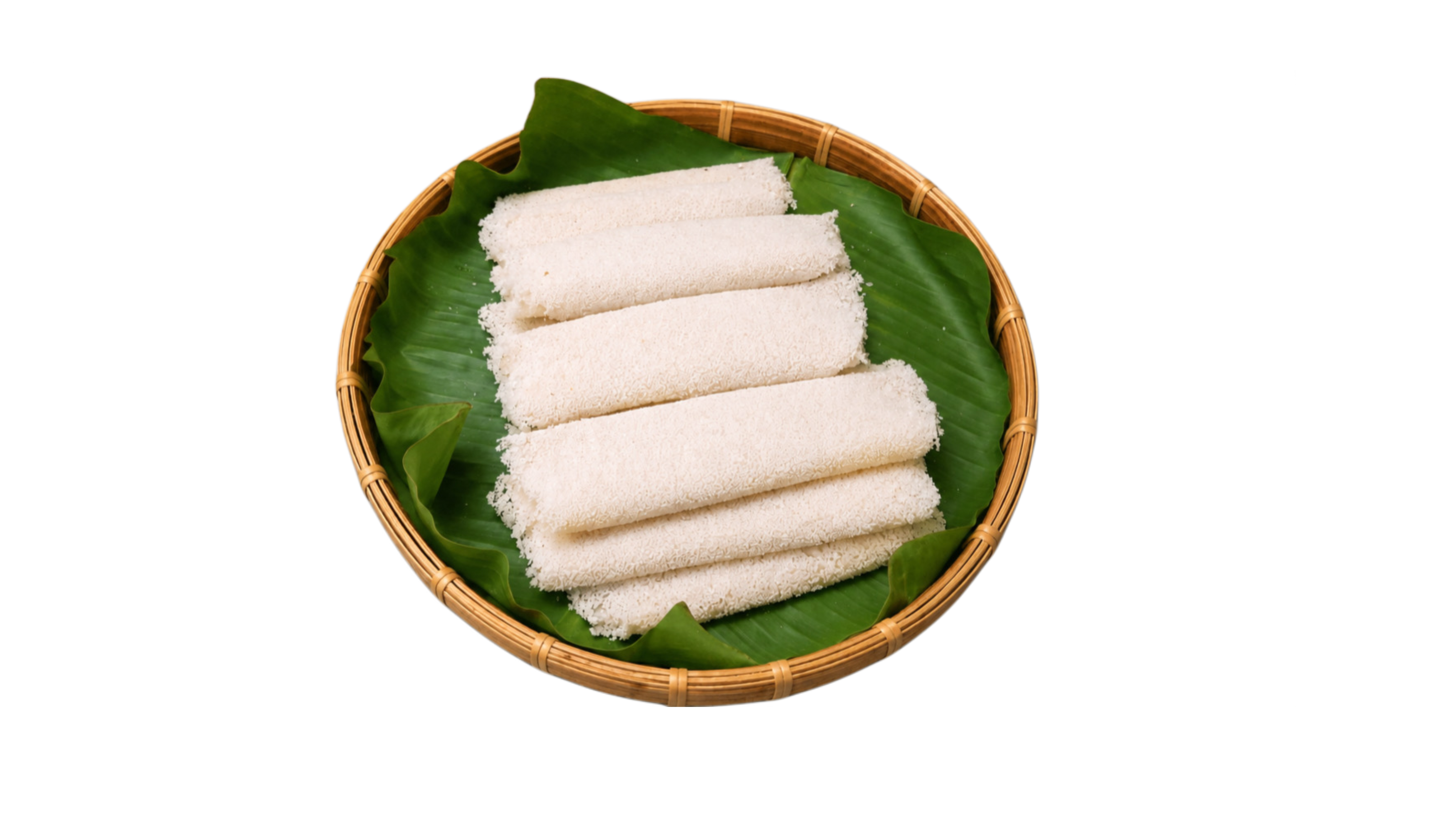
Rohingya culture food display
Kerosene lanterns
Chickpea dish
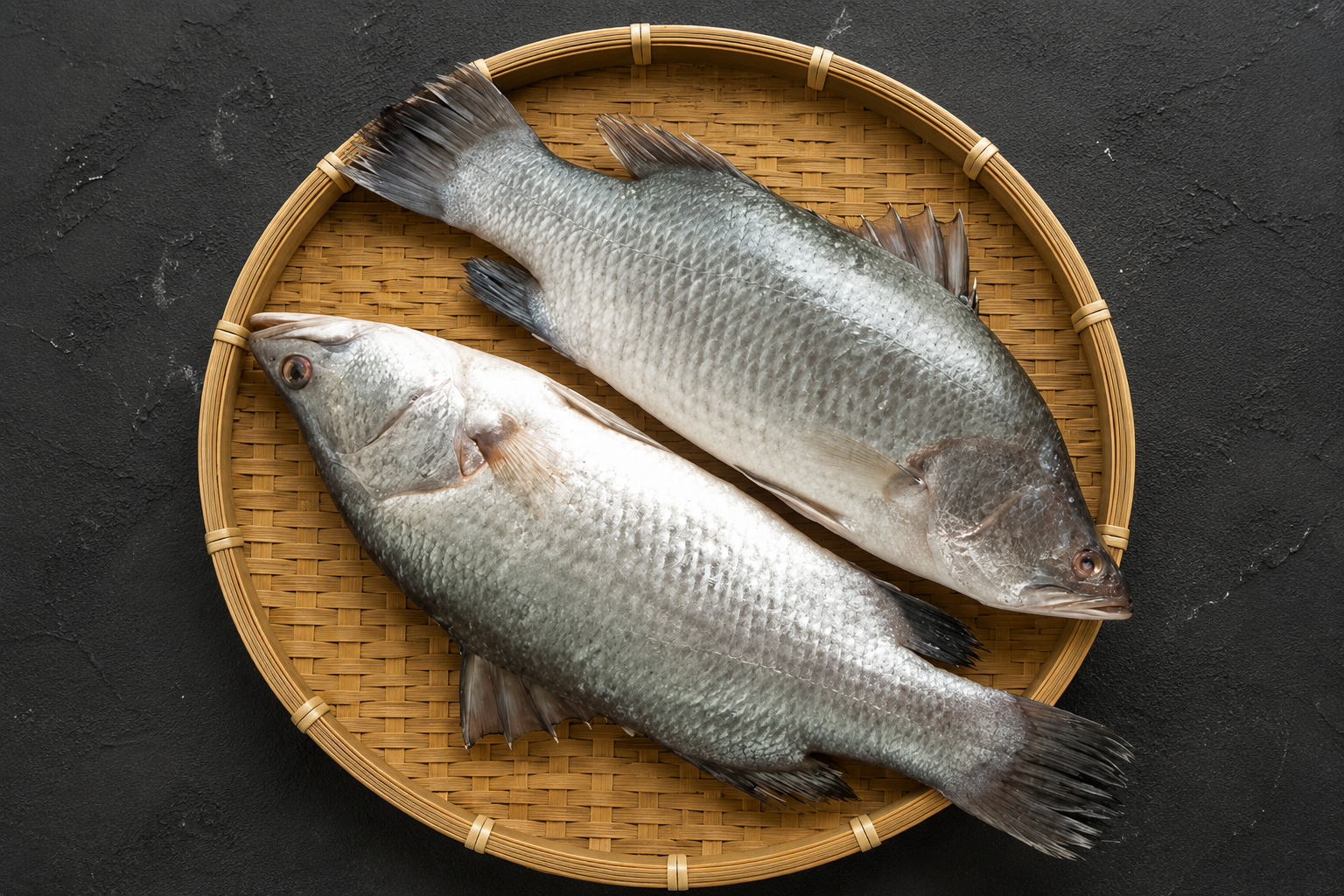
Fresh fish
Red and white shemagh
Henna hands
Submit Your Work

Want to publish your work with RRF?

RRF accepts submissions for our Opinion and Explainer sections, on the Rohingya, Arakan, and Myanmar. All work must be original, fact-based, and properly sourced.

"We center accuracy over narrative convenience, and respect for the communities we study over convenient simplification."

Opinions & Analysis

Analytical essays and strategic commentary.

Explainers

Clear breakdowns of policy & complex events.

Fact-Based

Rigorous sourcing & factual verification required.

Global Scope

Rohingya, Arakan & Myanmar.

Timeline · Arakan Kingdom

The Kingdom of Arakan

Nearly two thousand years of history, from ancient Indianized city-states to a cosmopolitan maritime empire, and its fall in 1784.

3rd Century

Indian settlers establish Dhanyawadi, the earliest known walled city in Arakan.

1434

King Narameikhla founds Mrauk-U, the capital that would anchor Arakanese power for three centuries.

1599

Under King Min Razagri, Arakanese forces capture Pegu, marking the kingdom's greatest territorial reach.

1666

The Mughal Empire seizes Chittagong, cutting off Arakan's main trade route and beginning its decline.

1784

The Burmese Konbaung Dynasty conquers Mrauk-U, ending nearly five centuries of Arakanese independence.

Call for Volunteers

Want to volunteer with RRF?

RRF welcomes volunteers who want to contribute their skills to research, writing, translation, archiving, design, and outreach. Join us in preserving Rohingya history and supporting credible, independent research.

Apply to Volunteer

Our work is powered by volunteers committed to accuracy, integrity, and preserving the Rohingya narrative for future generations.

Infographics See more
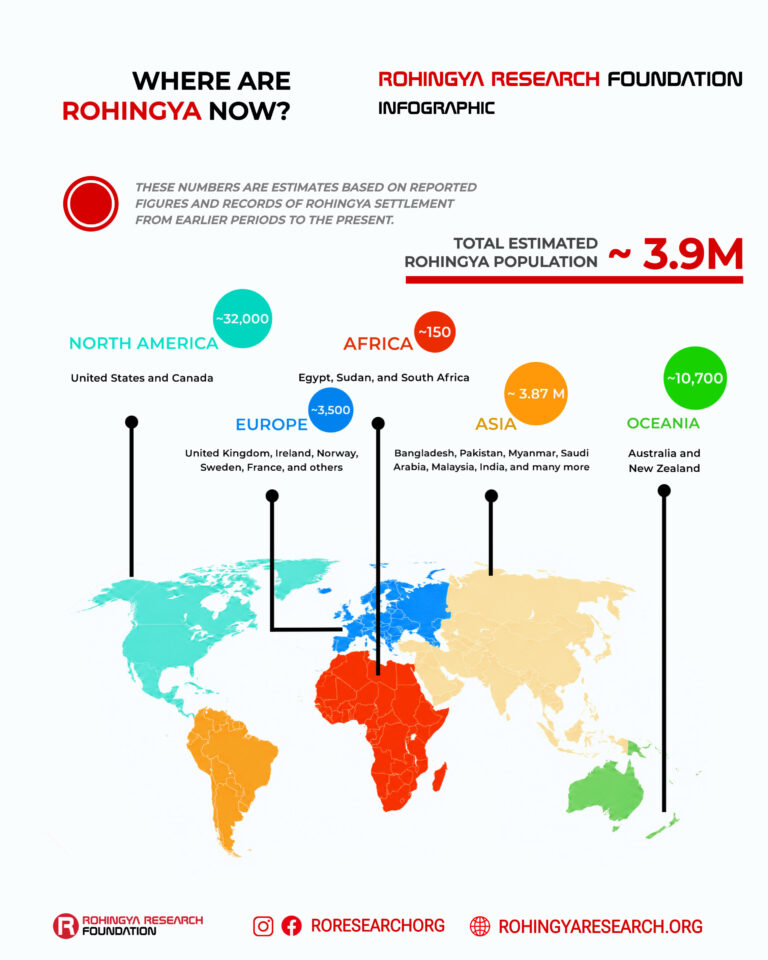
Global Diaspora Profiles

Where do Rohingya refugees live today, and what are their legal conditions?

Following decades of state-sponsored persecution in Myanmar, millions of Rohingya live in exile across Asia, the Middle East, Europe, North America, and Australia. Explore our research dossiers for detailed population estimates, legal statuses, history, and field realities.

Research Note: Legal protections, work rights, and resettlement policies vary drastically across host nations and regions.

History

Annexation to Independence

In 1784, the Kingdom of Arakan fell to Burmese conquest, ending nearly 2,000 years of independence. Trace the timeline of foreign rule, war, and upheaval that followed, through to Burma's independence in 1948.

Read the Timeline →
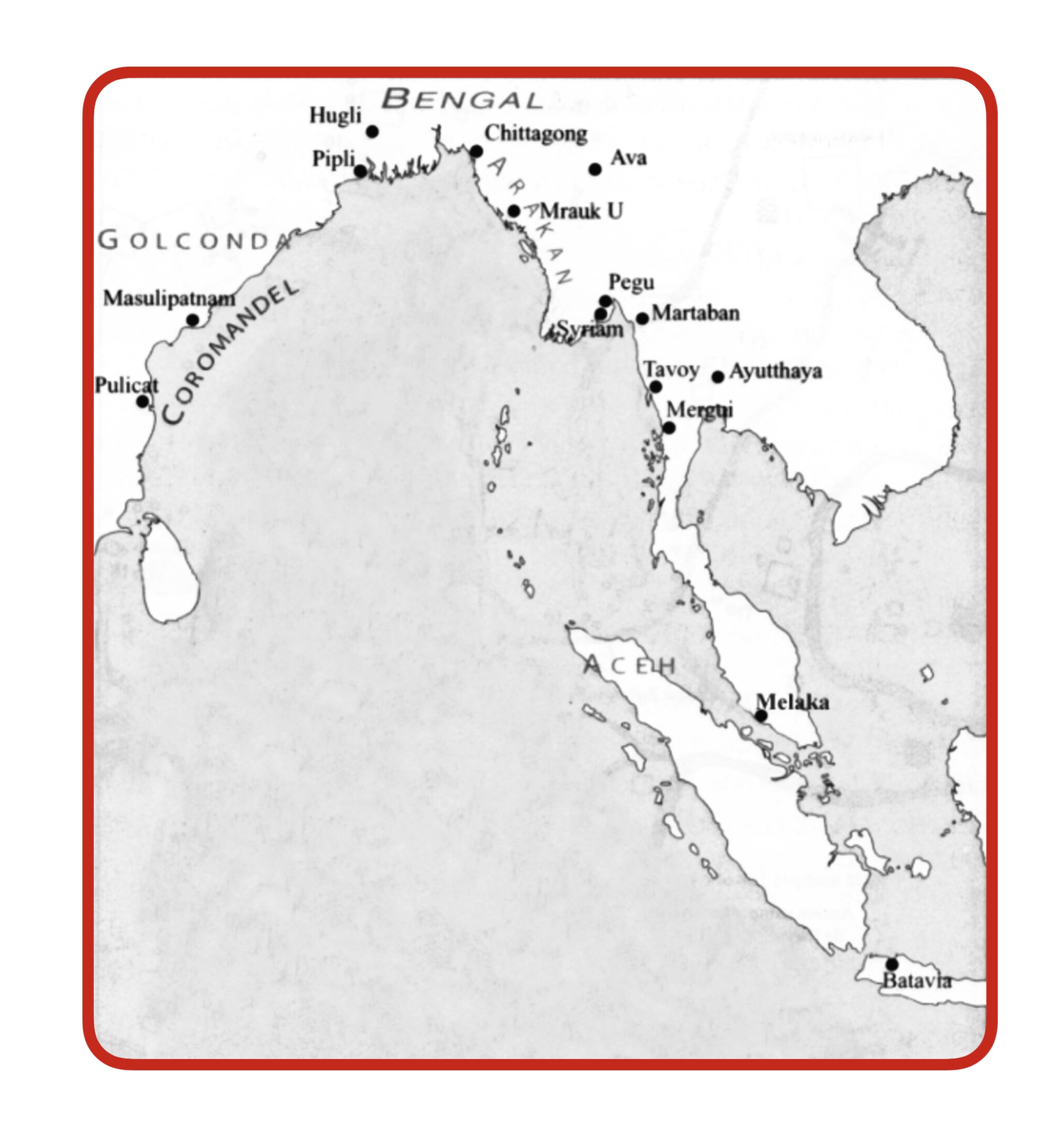
Historical map of Arakan and the Bay of Bengal region
OPINION See all →
Follow us on WhatsApp Read RRF on WhatsApp

Follow our WhatsApp Channel for new research, opinion articles, explainers, infographics, timelines, and breaking updates from Rohingya Research Foundation.

Join WhatsApp →
GET IN TOUCH

Contact Us

Have a question, a submission, or want to collaborate? Reach the right team directly below.

General General Inquiries Research, partnerships, and press Read more → [email protected]
Contribute Opinion & Explainer Submit a piece for review Read more → [email protected] [email protected]
Culture Culture Items Suggest a culture item Read more → [email protected]
Get Involved Volunteer With Us Join our volunteer team Read more → [email protected]

We typically respond within 3–5 business days. For urgent matters, please mark your subject line accordingly.

Visit Contact Page →
Follow us on Telegram Read RRF on Telegram

Follow our Telegram Channel for new research, opinion articles, explainers, infographics, timelines, and breaking updates from Rohingya Research Foundation.

Join Telegram →

History

Independence to 2026

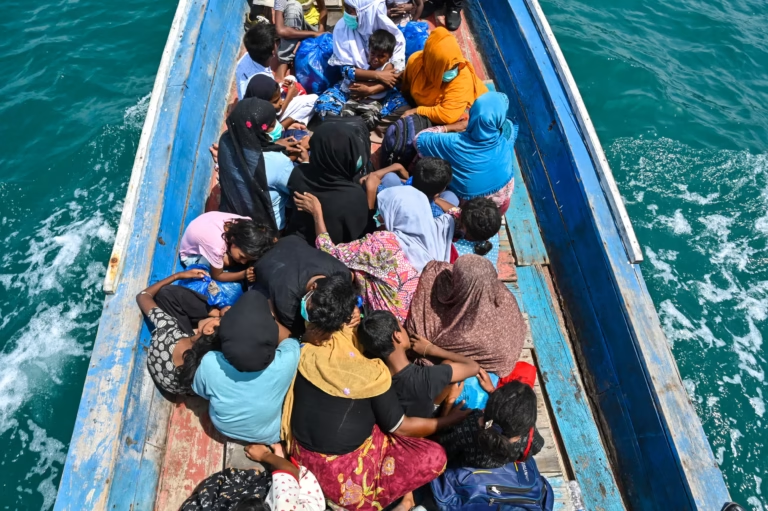
Burma's independence in 1948 did not bring equal citizenship for the Rohingya. Trace the decades of statelessness, military rule, and mass displacement that followed, through the 2017 genocide and into the present day.

Read the Timeline →
Timeline graphic: Rohingya history from independence to 2026
Digital Library

Want to read Rohingya history, poems and more?

Our library is growing in seven languages. Start with 120+ English books on history, memoirs, politics, poetry, culture and fiction.

120+Books
6Categories
7Languages
Visit Our Library →